Chosen By India’s Leading Enterprises

















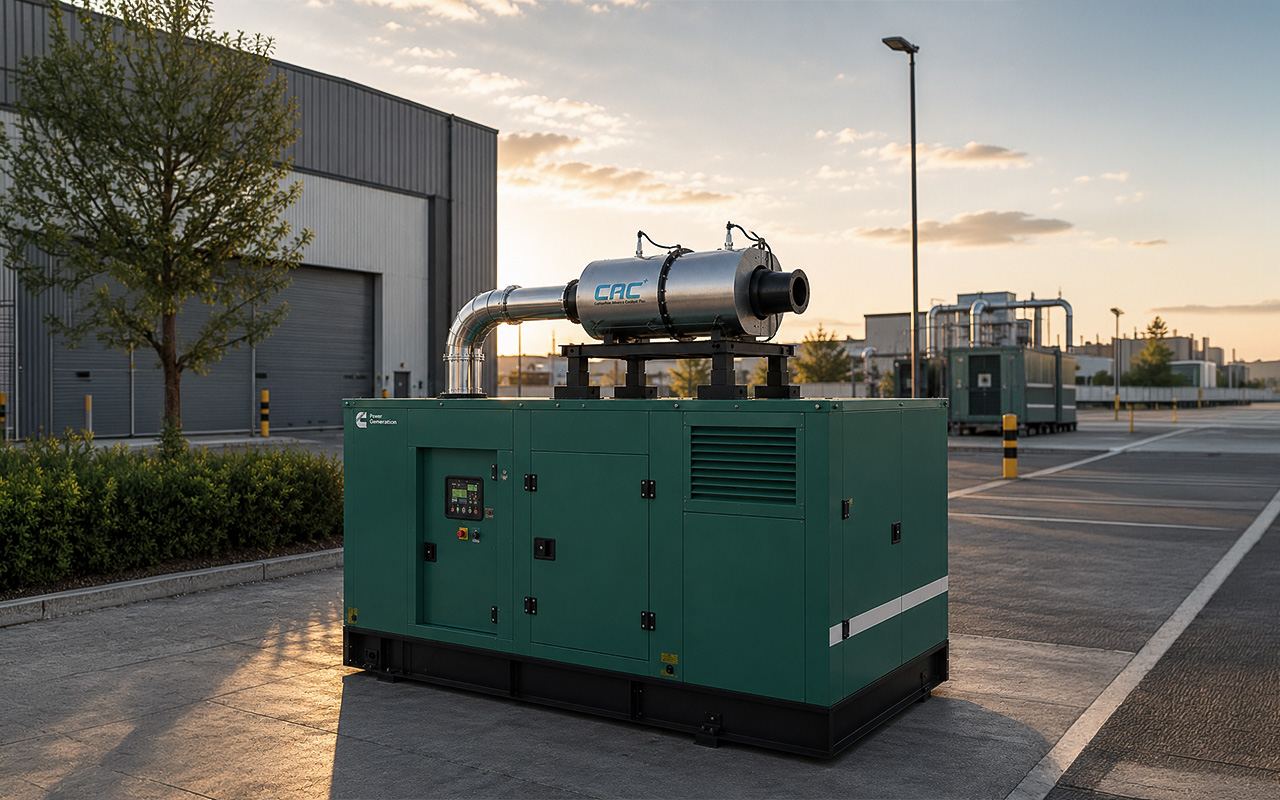
Lower your emission with our low-maintenance, custom-engineered control devices built for diesel gensets, industrial engines, crematoriums, and diverse industrial applications, ensuring seamless compliance with strict Indian environmental standards.
Our performance and impact, by the numbers.
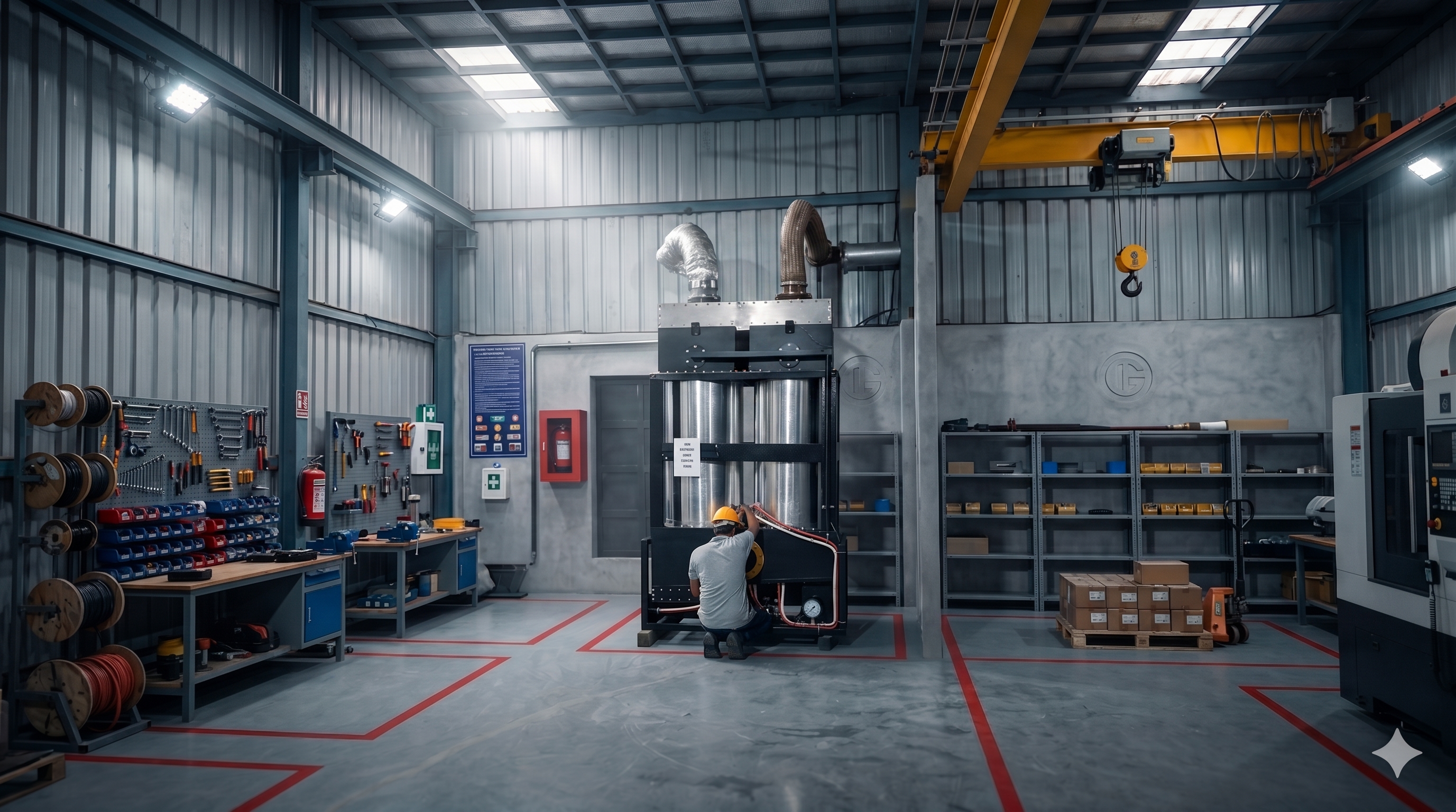
Engineering a better way forward by delivering higher performance and lower operating costs.
Eliminate all recurring costs for filters and consumable parts.
Capture pollution without “choking” your engine or consuming extra fuel.
OBD-integrated, IoT-enabled real-time monitoring, zero manual intervention.

Up to 95% efficiency. Highest certified performance in the category.
Periodic cleaning. That’s it.
Custom-engineered systems to handle your unique heat peaks and dust loads.
Move your cursor. That’s roughly what a Novorbis unit does, only at industrial scale, certified, and continuously.
See the technology →Eliminate toxic emissions and daily non-compliance fines. We provide custom-engineered emission control solutions built for Indian compliance standards for every industrial load.
The ultimate filterless solution. No recurring costs, ever.
Smoke, toxic gases, fine particles eliminated in one system.
Eliminate visible smoke, odour, and community complaints. Built specifically for crematorium operations.
Custom-engineered emission control for boilers, furnaces, kilns and other industrial applications.
Turn your industrial emissions into carbon credits. Novorbis’s next frontier in industrial decarbonisation.
“Novorbis Itus delivered a practical and efficient emission control solution aligned with our operational requirements. Their team demonstrated strong technical understanding, timely execution, and reliable support throughout deployment.”
“The emission control system integrated smoothly into our facility operations and contributed toward improved environmental compliance objectives. We appreciated the professionalism and responsiveness of the Novorbis Itus team.”

“Novorbis Itus provided a well-engineered solution for DG emission management with minimal operational disruption. Their technical expertise and execution capabilities made the implementation process efficient and dependable.”

“The team at Novorbis Itus offered a reliable and low-maintenance emission control solution that supported our compliance and sustainability initiatives. Their service approach was proactive and professional.”
“We found the Novorbis Itus solution effective in reducing visible emissions while maintaining operational efficiency. The installation and support teams were knowledgeable, cooperative, and technically sound.”
Manufacturing to installation is completed within 1 month, depending on your equipment type and site conditions.
We back every system with a 20-year performance guarantee covering parts and labor.
Maintenance costs drop to nearly zero with our filterless design and fully automated operation.
Yes, CPCB IV+ compliance is built into every system we deliver.
No. The high-voltage field is fully enclosed with no exposed live parts.
Quite the opposite. No filters or consumables means near-zero operating costs. Maintenance is minimal, and total ownership cost is lower over time.
OBD-based monitoring, differential pressure sensing, and NOx/temperature control enable real-time diagnostics and automated system management.
Still have questions? Get answers tailored to your needs.
Contact Us →Our engineering team will reach out to know more about your emission profile and design a custom solution.