
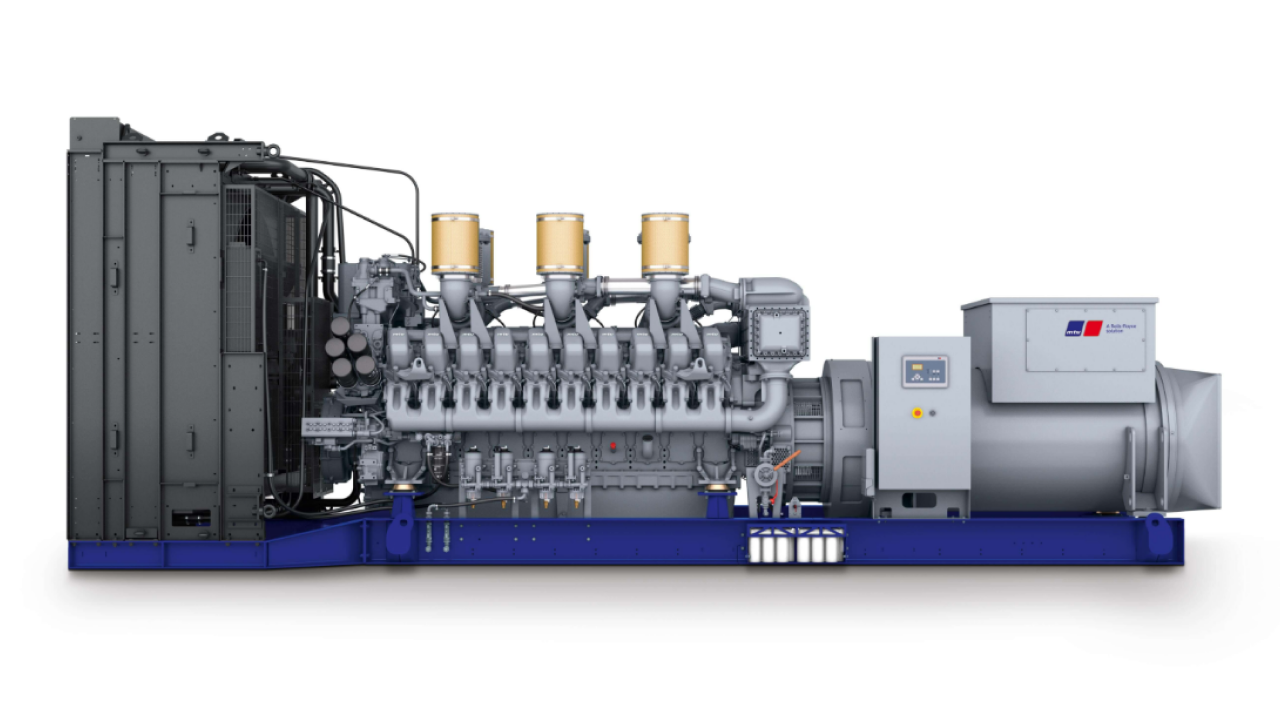
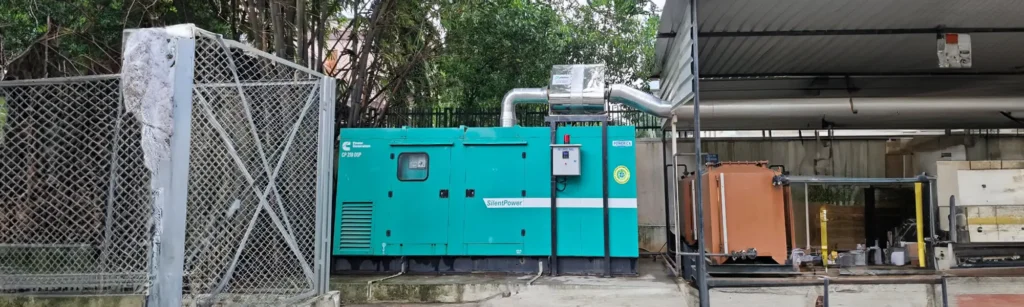
Diesel Generator (DG) sets are widely used for backup power in industries, commercial buildings, hospitals, residential complexes, and construction sites. However, DG sets emit harmful pollutants that contribute to air pollution. To control these emissions, RECD for DG Set has become mandatory in many regions.
This beginner-friendly guide explains what RECD is, why it is required, how it works, types, benefits, and compliance details—all in simple language.
What Is RECD for DG Set?
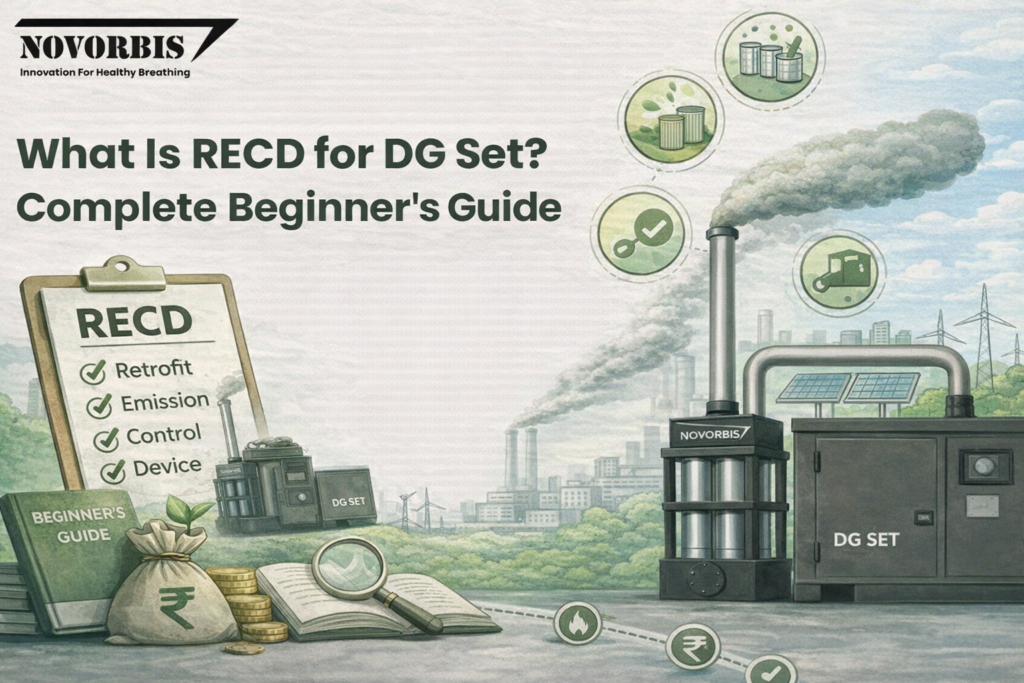
RECD stands for Retrofit Emission Control Device.
It is a pollution-control system installed on existing diesel generator sets to reduce harmful exhaust emissions.
In simple terms, RECD works like a filter or treatment system for DG set exhaust gases, helping meet government emission norms without replacing the generator.
Why Is RECD Required for DG Sets?

Diesel generators emit pollutants such as:
- Particulate Matter (PM)
- Nitrogen Oxides (NOx)
- Carbon Monoxide (CO)
- Hydrocarbons (HC)
Due to rising air pollution, pollution control authorities have made RECD installation mandatory for older and existing DG sets to comply with emission standards.
Key Reasons RECD Is Required:
- To reduce air pollution
- To comply with CPCB emission norms
- To avoid fines, penalties, or DG set shutdown
- To support environmental sustainability
How Does RECD Work?
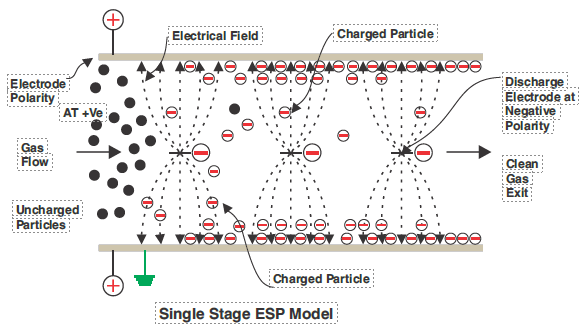
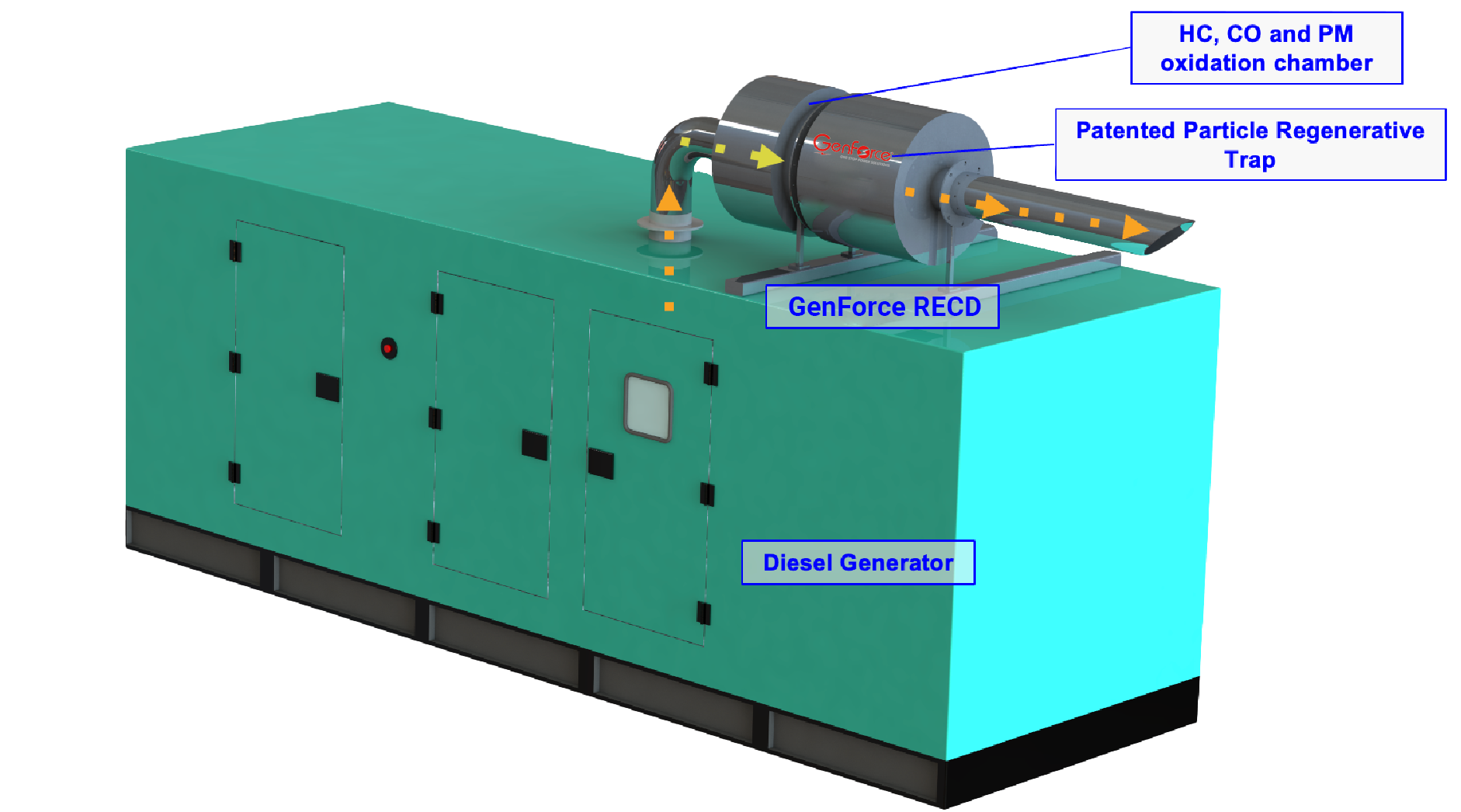
RECD is installed on the exhaust system of a DG set. It works by:
- Capturing harmful particles from exhaust gases
- Oxidizing or trapping pollutants
- Releasing cleaner exhaust air into the environment
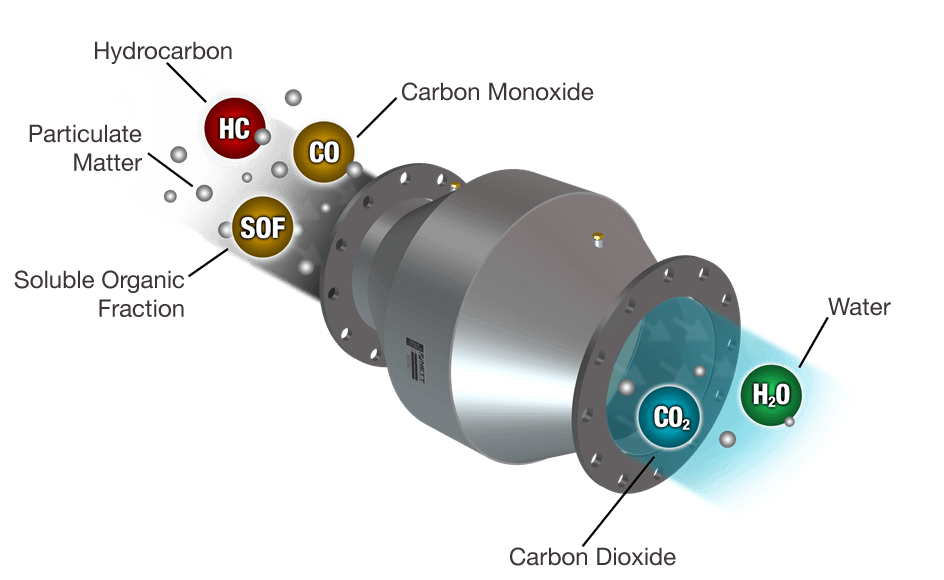
Some RECD systems use filters, some use catalytic processes, while advanced models are filterless, requiring minimal maintenance.
Types of RECD for DG Set
1. Filter-Based RECD
- Uses physical filters to trap particulate matter
- Requires regular cleaning or replacement
2. Filterless RECD
- Uses advanced oxidation or catalytic technology
- Low maintenance
- Longer lifespan
3. Catalytic RECD
- Uses catalysts to convert harmful gases into less harmful substances
- Efficient and eco-friendly
Benefits of Installing RECD on DG Set
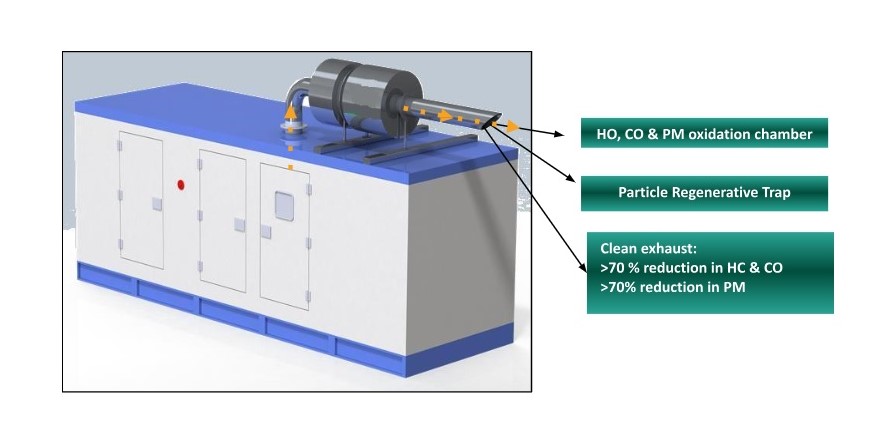
Installing RECD offers multiple advantages:
- Compliance with pollution control norms
- Significant reduction in smoke and particulate matter
- Improved air quality
- Avoidance of legal penalties
- Environment-friendly operation
- Extended DG set usability
Is RECD Mandatory for DG Sets?
Yes. For existing and older DG sets, RECD installation is mandatory as per pollution control regulations in many regions of India.
Authorities may:
- Seal non-compliant DG sets
- Impose heavy fines
- Restrict DG set operation
Installing RECD ensures legal compliance and uninterrupted operation.
RECD for DG Set Price (Approximate)
The price of RECD depends on:
- DG set capacity (kVA)
- Technology used (filter or filterless)
- Brand and certification
- Installation complexity
💡 Approximate Range:
RECD prices generally start from ₹1.5 lakh and can go up to ₹8–10 lakh or more, depending on specifications.
Who Needs RECD?
RECD is required for:
- Industrial plants
- Commercial buildings
- Hospitals
- Malls
- Data centers
- Residential societies
- Construction sites
If you operate a diesel generator, RECD is essential for compliance.
Conclusion
RECD for DG Set is a crucial solution for controlling diesel generator emissions and meeting pollution control norms. It allows existing DG sets to operate legally while significantly reducing environmental impact.
For businesses and property owners, installing RECD is not just a regulatory requirement—it’s a responsible step toward cleaner air and sustainable operations.
Looking to Install RECD for Your DG Set?
If you want help with RECD selection, pricing guidance, or compliance documentation, feel free to ask. I can also help you create SEO-optimized landing pages or blogs to promote RECD services.